
Harris County Arrest Records and Court Charges
Harris County arrest records are tied to law enforcement and custody. They may involve the sheriff, jail, incident report, booking, bond, first appearance, or warrant event. The Harris County jail is a 100-bed holding facility for people charged with criminal offenses and waiting for court appearances, people awaiting transfer, and people serving certain misdemeanor sentences. The jail is under Sheriff Mike Jolley and is separate from the county prison.
Court charges after arrest are different. A charge record starts when the State files a formal accusation, complaint, information, indictment, or other charging document. The District Attorney represents the State in Superior Court criminal cases. Magistrate Court may handle warrants and first appearances before a felony case is bound over. The full case file, plea, disposition, and sentence are covered in Harris County criminal court records, while this page follows the arrest-to-charge path.
The Harris County sheriff inmate search route is the official custody-side route captured in the manifest.
The route exists, but the official JSON captured during research said to check back later, so no live booking-result fields were verified.
Find Harris County Arrest Records
Use the sheriff and court channels together. For custody or booking status, start with the sheriff inmate route or call the jail. For incident reports, call the sheriff with the case number or use the email channel documented in the sheriff app content. For filed court charges, use the Clerk of Superior Court for Superior Court criminal cases, Magistrate Court for warrants and first appearances, and Probate or municipal court if the event is a traffic or ordinance case. The access path can change when a city police citation, county sheriff arrest, or Probate Court traffic case is involved.
- Start with the person's name, arrest date, case number, agency case number, or citation number.
- Check sheriff or jail channels for custody, booking, bond, report, or incident information.
- Ask Magistrate Court about warrants, first appearances, and probable-cause or bind-over activity.
- Search or request the court case file from the Clerk of Superior Court if formal charges were filed there.
- Read the charge status, not only the charge name, before treating the matter as pending or final.
The sheriff jail FAQ content explains practical custody details that can precede court charges.
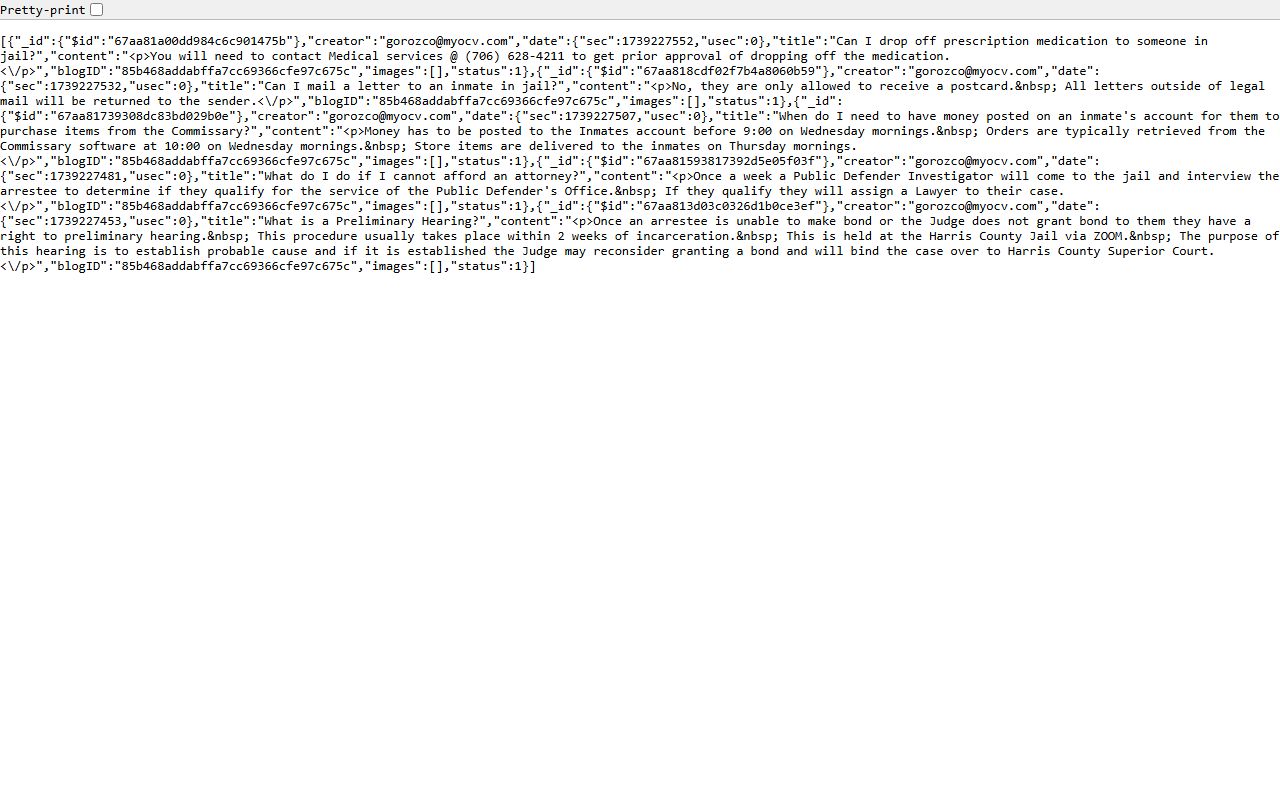
That FAQ notes preliminary hearing timing and public defender screening, which helps connect arrest records to court charge records.
Charges After Arrest in Harris County
After an arrest, the court charge record depends on the charging document. The research identifies indictment and accusation as common Georgia criminal-record terms, and Magistrate Court functions can include warrants and first appearances before a felony matter moves to Superior Court. Not every arrest leads to the same charge path. Some charges are declined, reduced, amended, or dismissed. Others move forward to plea, trial, disposition, and sentencing.
| Document | Who Uses It | What It Does |
|---|---|---|
| Complaint | Law enforcement, Magistrate Court, or prosecutor depending on the matter. | States the alleged offense early in the case or warrant process. |
| Information or accusation | Prosecutor. | Files a formal charge without using a grand-jury indictment in eligible cases. |
| Indictment | Grand jury and prosecutor. | Formally charges a felony after grand-jury action. |
Harris County Charge Status Terms
Charge status is the key to reading court charges after arrest. A charge listed in a case file may be pending, amended, reduced, dismissed, nolle prossed, or resolved by plea or verdict. One arrest can produce more than one charge, and each charge can have its own status. A court charge does not become a conviction unless the court enters the required plea or verdict outcome.
| Status | What It Means |
|---|---|
| Pending | The charge is open and has not reached final disposition. |
| Amended | The charge language or offense was changed after filing. |
| Reduced | The filed offense was lowered to a lesser offense or severity level. |
| Dismissed | The court ended the charge without a conviction on that charge. |
| Nolle prosequi | The prosecutor declined to proceed on that charge. |
| Disposed | The charge has a recorded outcome, which must be read from the case entry. |
Charges vs Convictions
Arrest records and charge records can be misleading if they are read as convictions. An arrest means a person was taken into custody. A charge means the State or court process alleges an offense. A conviction means the court has entered a guilty plea, guilty verdict, or other conviction result. The distinction is essential in Harris County because a case may include charges that were dropped, reduced, or dismissed.
| Charge | Conviction | |
|---|---|---|
| Timing | Appears before the final case outcome. | Appears after plea or verdict. |
| Meaning | Alleged offense filed in court. | Final finding or plea of guilt. |
| Can change | May be amended, reduced, or dismissed. | May be appealed, vacated, restricted, or sealed only through legal process. |
| Best source | Charging document and docket. | Disposition and sentencing entries. |
Sheriff Records and Reports
Sheriff records are a separate access channel from court charge records. The sheriff open-records page says public records are available for inspection and copying unless exempted by law and cites O.C.G.A. 50-18-70 to 50-18-77. For accident or incident reports, the sheriff app content says a requester with a case number should call 706-628-4211 during weekday office hours. It also lists email request channel sculpepper@harriscountyga.gov.
The sheriff submit-a-tip form is another official app feature, but it is not a record request and not for emergencies.
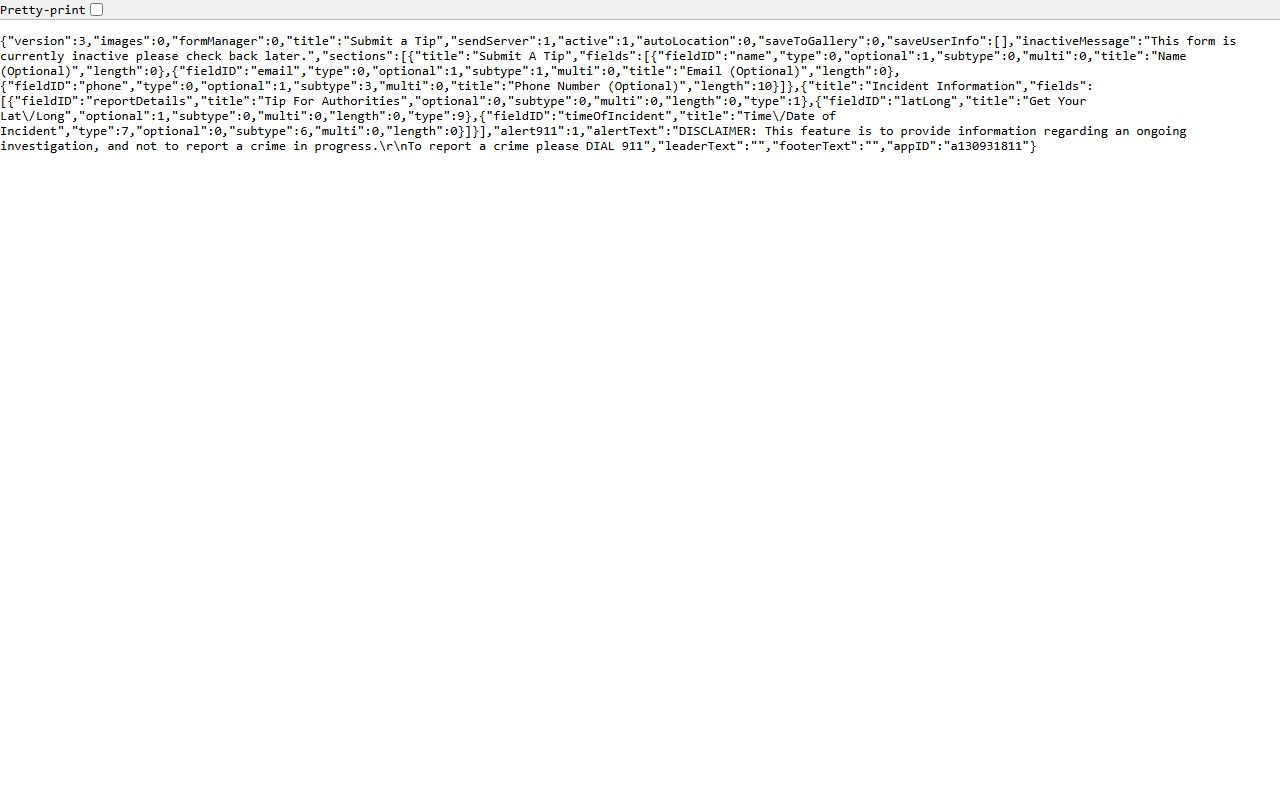
The form accepts investigation tips, while arrest records, reports, and court charges must be requested through the correct sheriff or court record channel.
Bond and First Appearance
Bond information can appear near the arrest-to-charge path, but it is not the same as the final court outcome. The sheriff jail FAQ says that if an arrestee cannot make bond or the judge does not grant bond, the person has a right to a preliminary hearing. The FAQ says this usually takes place within two weeks of incarceration, is held at the Harris County Jail by Zoom, establishes probable cause, and may lead the judge to reconsider bond and bind the case over to Harris County Superior Court.
The approved bonding companies content is an official sheriff app resource.
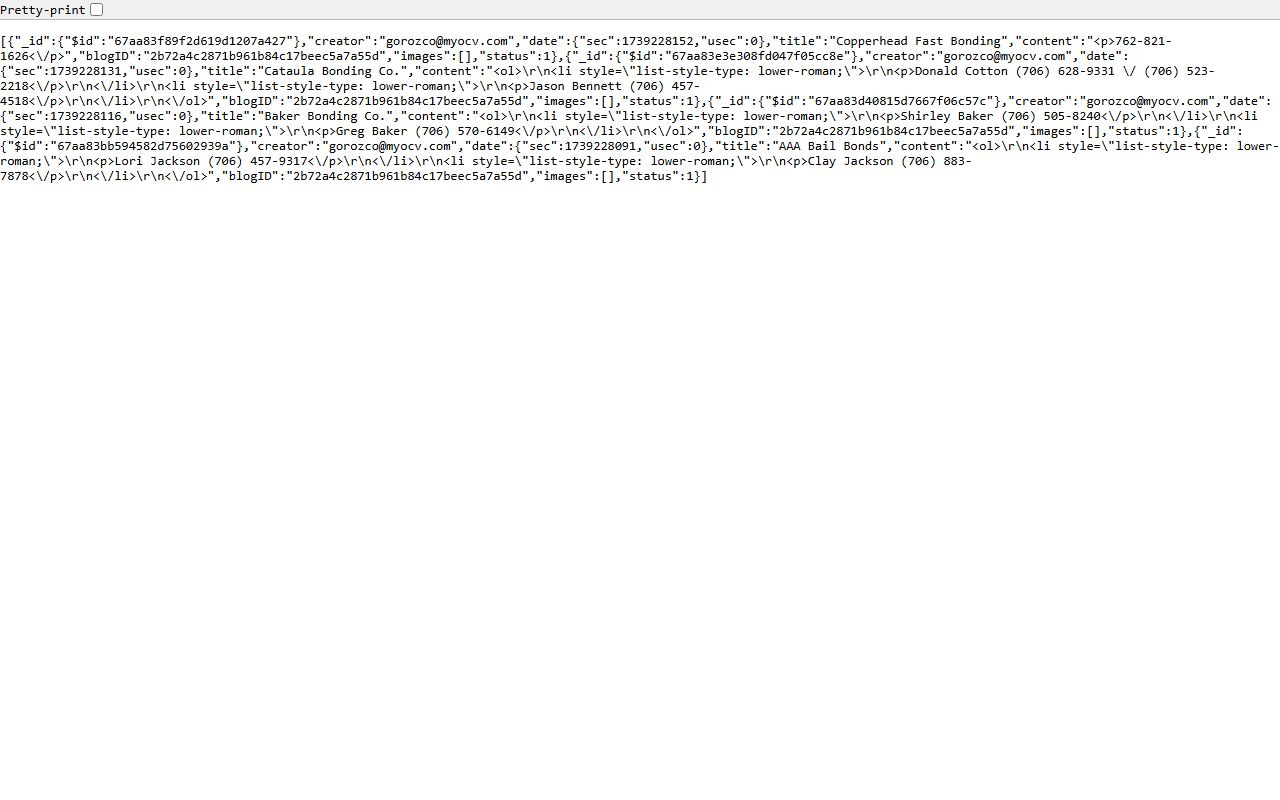
Bonding-company information helps with custody release, but the court charge status must still be checked through the court file.
State Criminal History and Restrictions
State criminal-history records are not the same as local court charge records. Georgia record restriction under O.C.G.A. 35-3-37 can limit eligible criminal-history records for non-criminal-justice purposes. For arrests after July 1, 2013, GBI says there is no application process and the person should contact the prosecutor. For arrests before July 1, 2013, GBI says the person must apply through the arresting agency. For court-file sealing, contact the court or clerk that entered the disposition. In Harris County, that may mean the District Attorney for a Superior Court prosecution, the sheriff or other arresting agency for older arrest records, and the Clerk of Superior Court for the court file.
Note: Restricting a Georgia criminal-history record does not automatically prove every Harris County court record is sealed.
Sealed vs Restricted Charge Records
Georgia's practical criminal-record language centers on restriction, while court sealing is handled through court rules, statutes, and orders. A charge may be dismissed but still visible until the correct restriction or sealing process applies. Juvenile charges, sealed files, protected victim information, minor details, and mental-health-related material may be withheld or redacted.
| Sealed Court Charge | Restricted Criminal History | |
|---|---|---|
| Record affected | The court file or public court access. | The state criminal-history record for non-criminal-justice access. |
| Main contact | Clerk of Superior Court or the court that handled the charge. | Prosecutor for newer arrests or arresting agency for older arrests. |
| Common issue | Public docket may still need separate sealing review. | State restriction may not remove every court reference. |
| Do not assume | Dismissal means the court file is hidden. | Restriction means all agencies erased the event. |
Restricted Arrest and Charge Records
Restricted Harris County arrest records and charge records may involve juvenile matters, sealed cases, protected personal identifiers, ongoing investigations, victim-identifying details, medical information, or court orders. The sheriff may withhold agency records if a Georgia law exempts them and must cite the legal basis when withholding records under the open-records process. The court may also restrict files under court rules or case-specific orders.
Important: Do not use arrest records or charge entries as proof of conviction without reading the disposition.